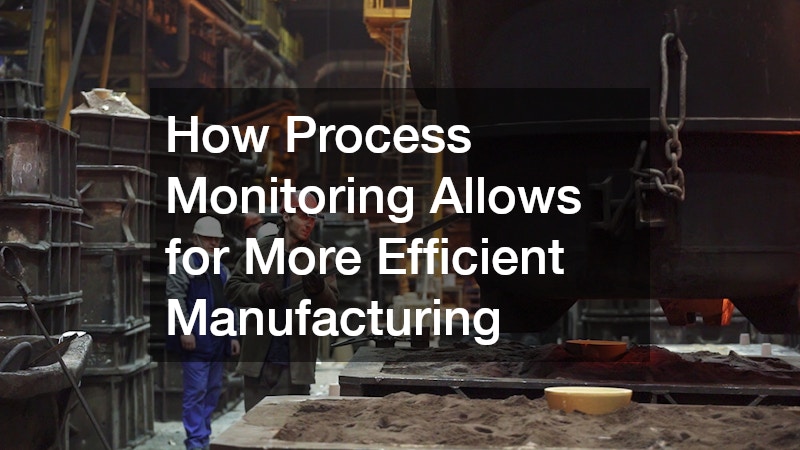
In today’s fast-paced manufacturing environment, staying ahead of the curve is crucial. Implementing process monitoring can make significant strides toward maintaining competitiveness. By leveraging advancements in technology, manufacturers can now monitor and optimize every aspect of their operations. This shift not only leads to increased efficiency but also helps curb operational costs, making manufacturing processes more sustainable in the long run.
Why is Process Monitoring Important in Manufacturing?
Ensuring Quality Control
Process monitoring is vital in maintaining high-quality standards within manufacturing. It allows for the constant oversight of production processes, ensuring that every stage meets regulatory and company-specific quality standards.
By employing process monitoring consultants, manufacturers can develop and implement effective quality control strategies tailored to their needs. These strategies help to identify defects early in the production cycle, allowing for timely corrections that prevent sub-standard products from reaching the market. As a result, manufacturers can reduce product recalls and build consumer trust through consistent quality.
Reducing Waste and Costs
Efficient process monitoring plays a significant role in reducing waste and costs in manufacturing. By continuously analyzing production data, manufacturers can identify inefficient processes that contribute to material wastage or unnecessary expenditures. Real-time monitoring allows for prompt reactions to deviations, ensuring that resources are utilized optimally. Implementing process monitoring consultancy services can further enhance these benefits by providing specialized analysis and recommendations for waste reduction. Consequently, operational costs decrease, and profit margins are improved, supporting the sustainability of manufacturing endeavors.
Enhancing Equipment Utilization
Maximizing equipment utilization is another benefit of comprehensive process monitoring in manufacturing. Machines and equipment are among the most significant investments in manufacturing facilities, and their optimal use is crucial for operational efficiency. Process monitoring provides detailed insights into equipment performance, identifying bottlenecks, downtime, and other inefficiencies. By closely monitoring this data, manufacturers can make informed decisions about maintenance schedules, equipment upgrades, or operational adjustments. Utilizing the expertise of process monitoring consultants can further extend equipment lifespans and enhance returns on investment.
What Technologies are Used in Process Monitoring?
IoT and Sensors
The advent of the Internet of Things (IoT) and advanced sensor technologies represent a significant advancement in process monitoring. These technologies offer manufacturers real-time insights into their operations through a network of interconnected devices and sensors. This connectivity allows for the continuous collection of data, providing visibility into conditions such as temperature, pressure, and machinery status. When effectively implemented, IoT and sensors enable the automation of many monitoring processes, reducing the need for manual oversight. Process monitoring consultants can assist companies in integrating these technologies into their existing systems, ensuring seamless, efficient operation.
Data Analytics and AI
Data analytics and artificial intelligence (AI) are central to modern process monitoring, offering insights derived from vast amounts of data. These technologies transform raw data into actionable intelligence, aiding manufacturers in refining operations and strategic planning. Data analytics allows for trend identification and anomaly detection, which are crucial for efficient process control. AI, on the other hand, can predict outcomes and recommend actions based on historical and real-time data. Process monitoring consultants can provide valuable insight into deploying these technologies effectively within a manufacturing context.
Automation Software
Automation software plays a pivotal role in process monitoring by streamlining and simplifying monitoring tasks. Such software solutions allow for the automation of routine operations, freeing human resources for more strategic initiatives. Automation ensures higher consistency in monitoring efforts, reduces error rates, and improves the overall accuracy of collected data. This increased reliability forms the backbone of modern manufacturing processes, offering a significant competitive edge. Experienced process monitoring consultants can assist manufacturers in selecting the right automation tools tailored to their specific operational needs.
How Does Process Monitoring Improve Productivity?
Real-Time Data Collection
Real-time data collection stands at the core of process monitoring, contributing significantly to improved productivity in manufacturing. It involves capturing data as events occur, providing an instant snapshot of production status. This immediacy allows for rapid responses to emerging issues, reducing downtime and enhancing operational fluidity. By utilizing real-time data, manufacturers can optimize processes, ensuring that they run smoothly and efficiently. Partnering with process monitoring consultants can enhance this capability, enabling the implementation of systems that effectively exploit real-time data for improved decision-making.
Predictive Maintenance
Predictive maintenance is a transformative application of process monitoring that significantly enhances productivity by preventing unexpected equipment failures. By analyzing data trends and using advanced modeling, manufacturers can predict when equipment is likely to fail, facilitating timely intervention. This approach ensures operational continuity, reducing unplanned downtimes and enhancing machine reliability. With predictive maintenance, organizations shift from routine or emergency servicing to maintenance based on actual condition and performance data. Collaborating with process monitoring consultants can maximize the efficacy of predictive maintenance initiatives, tailoring them to specific operational contexts.
Process Optimization
Discusses how continuous monitoring leads to improved manufacturing processes. It involves continuous assessment and adjustment of manufacturing practices to improve efficiency, quality, and capacity. Process monitoring provides the data necessary to pinpoint inefficiencies and propose changes that can streamline production. Through continuous improvement practices supported by process monitoring consultants, manufacturers can achieve significant enhancements in performance. This capability not only drives cost savings but also enhances the overall competitive position of a manufacturing firm.
Process monitoring has the potential to revolutionize manufacturing processes by enhancing quality control, minimizing waste, optimizing equipment utilization, and boosting overall productivity. Despite challenges such as integration, data security, and implementation costs, the benefits of these systems often outweigh the drawbacks. By collaborating with process monitoring consultants, manufacturers can effectively navigate these challenges and leverage technology to drive growth and maintain a competitive edge. Therefore, process monitoring stands as a vital component for future-focused manufacturing organizations.